When companies write for machines, what happens to humans?

“Should my company create corporate digital content purely designed for AI search bots, in parallel to our web pages designed for humans?“
That’s one of the most common questions we’ve been asked in recent months.
It’s an interesting idea – and certainly something that organisations including The Economist have recently experimented with.
It’s a vital question for people in charge of products and services databases, who need to prepare for the rise of agentic procurement (AI bots buying things on humans’ and organisations’ behalf).
Creat[e] content that people find unique, compelling, and useful
- Google's AI search optimisation advice
But when it comes to corporate digital communications, the answer is no, you should not create parallel digital content just for AI bots – for two reasons.
First, because designing content for bots is the polar opposite of what bots are being trained to find and highly rank. To quote directly from Google’s own AI search optimisation advice:
“Creating content that people find unique, compelling, and useful will likely influence your website’s presence in generative AI search in the long run more than any of the other suggestions in this guide.”
Build trust with people
Second, designing content for bots is also the exact opposite of what human stakeholders want companies to do, from a corporate communications perspective.
After all, it's hard to build trust with people when you're busy writing for bots.
Jobseekers, customers, shareholders and others want human stories, unique viewpoints and unscripted commentary. So that’s what the LLMs are being trained to look for, too.
A virtuous circle.
So, if you shouldn’t create content to purely feed robots, what should you do?
Create content that is optimised for both humans and machines.
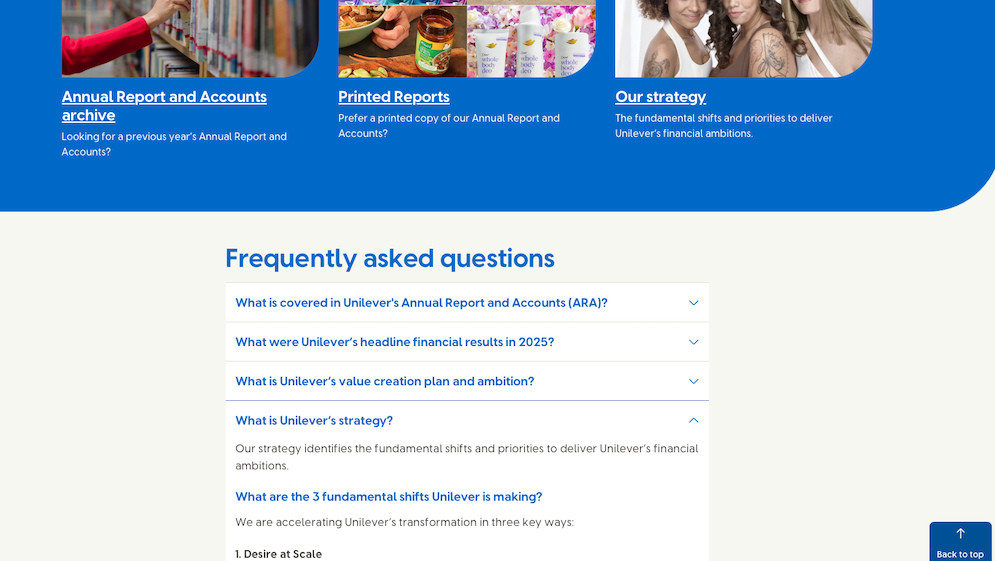
This annual report page from Unilever’s global site is a great example: the FAQs towards the bottom are helpful for human visitors, and equally perfect for feeding AI answers.
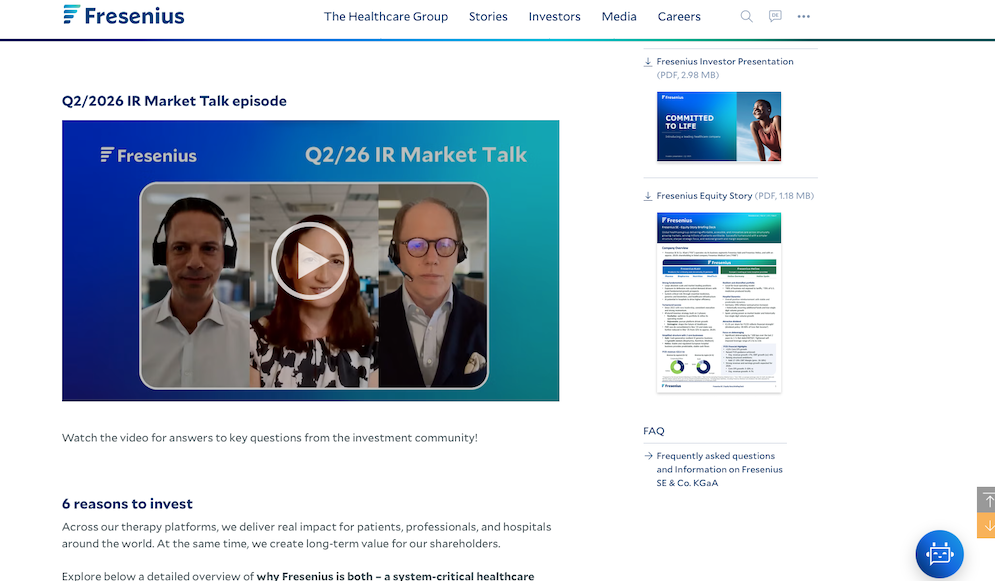
So is this “Why invest” page from Fresenius: video commentary with transcripts plus rich narrative information in HTML – just as Google recommends, and just as investment analysts say they’re looking for.
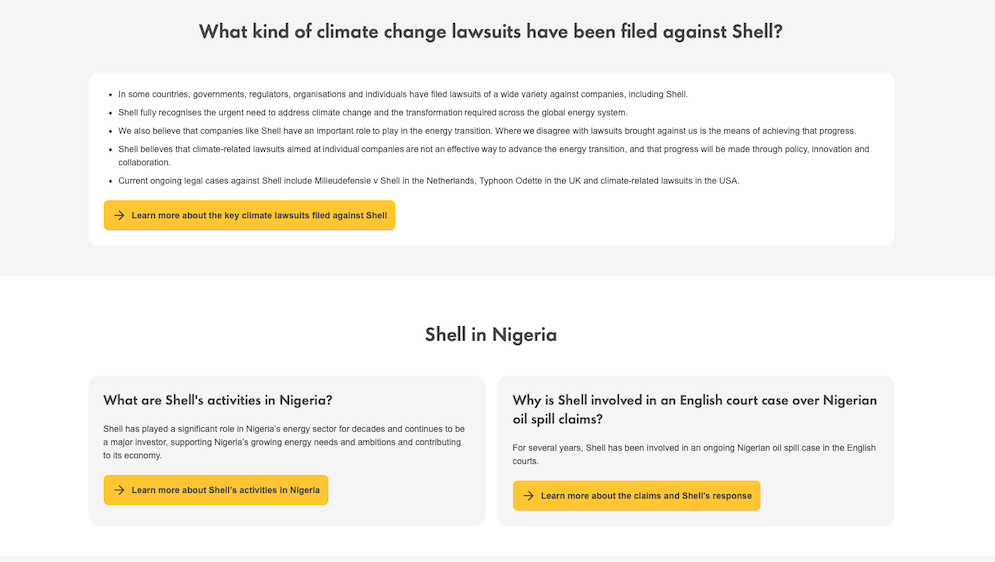
Another great example is this positions page from Shell – posing big (and in some cases thorny) questions, then providing clear and robust answers.
Building strong accessibility provisions into your website is another great way of simultaneously serving humans and machines.
Get accessibility right, and you’ll ensure that all of your content is easy to find and digest by everyone and everything.
Bosch’s global website is a great example of accessibility excellence.
So, for sure, technically optimising corporate digital communications content for AI search is crucial. But this should be an integrated endeavour to serving humans – not something to stick into a silo.
For more on serving humans and machines, download our 2026 Corporate Digital Communications Index Snapshot report.
If you would like to learn more about how a Bowen Craggs subscription can support you on your content strategy, AI search visibility or any other aspect of your corporate digital communications, please reach out to Tom Golden