From Substack to the corporate website - the rise of expert-led storytelling

There’s a striking parallel between the consumer shift toward natural fibres in clothing and the reemergence of the long-form blog era.
Both represent a deliberate choice against synthetic, mass-produced materials for something raw, tactile, and unmistakably human.
A renewed appreciation for "authentic humanity" is everywhere - from quilted clothing sewn by hand to a typeface intentionally drawn by a child.
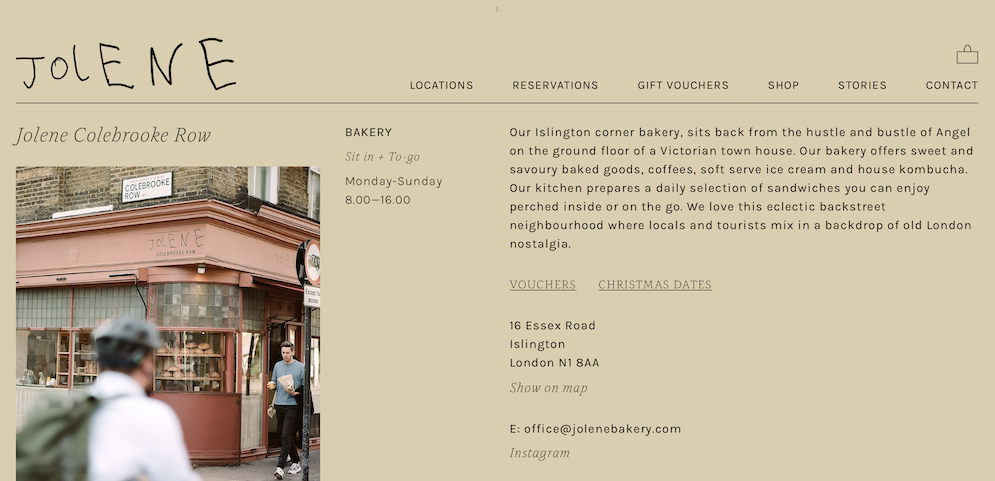
Storytelling as a craft
On the web, writing is enjoying a renaissance.
Substack, the newsletter and blogging platform founded in 2017, has recently soared in popularity and now has over 3.5 million active subscribers.
Reading through selected blogs evokes a curated literary Pinterest or a digital library, allowing visitors to delve into niche topics. It speaks to a broader yearning for original writing, identifiable authors, and unscripted voices.
What does all this mean for corporate digital communications
Substack thrives because it offers direct-to-reader thought leadership from independent thinkers who share ideas in an authentic tone. We’re increasingly seeing experts, investors, and founders position themselves via long-form content.
Google's latest generative engine optimisation guidelines emphasise creating helpful, reliable, people-first content which "provides a unique point of view".
Humans and machines alike, then, are seeking genuine authority from credible voices on specific topics.
Align internal experts for external recognition
Corporate communicators can learn a vital lesson from Substack’s top authors: people follow people. Your corporate digital estate is uniquely positioned to deliver on this, and spotlight your own subject matter experts.
Expert-led insight hubs, podcasts, videos, articles, blogs, explainer pages, and FAQs offer opportunities to bring internal expertise to life. Named authors, photographs, biographies and links to professional profiles on LinkedIn or X and other trust signals are more important than before.
While navigating internal approvals may present challenges, the objective is to champion identifiable voices for thought leadership. It is a delicate dance, but done well, your people are your most prized assets.
Best practice examples: putting experts in the spotlight
Gregory Daco, EY’s Chief Economist, regularly shares macroeconomic insights and data across social platforms, building a trusted following for his analysis.
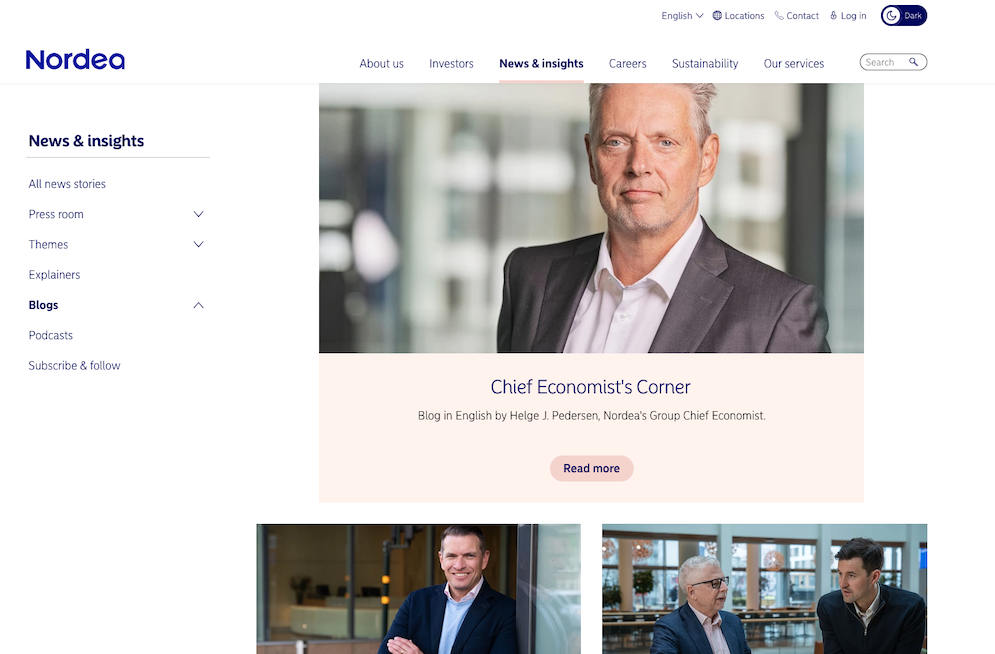
Nordea publishes specialised, expert-led blogs tailored to highly personalised audiences. Leaders have personal photos and links to their LinkedIn profiles, establishing a human rapport on the corporate website.
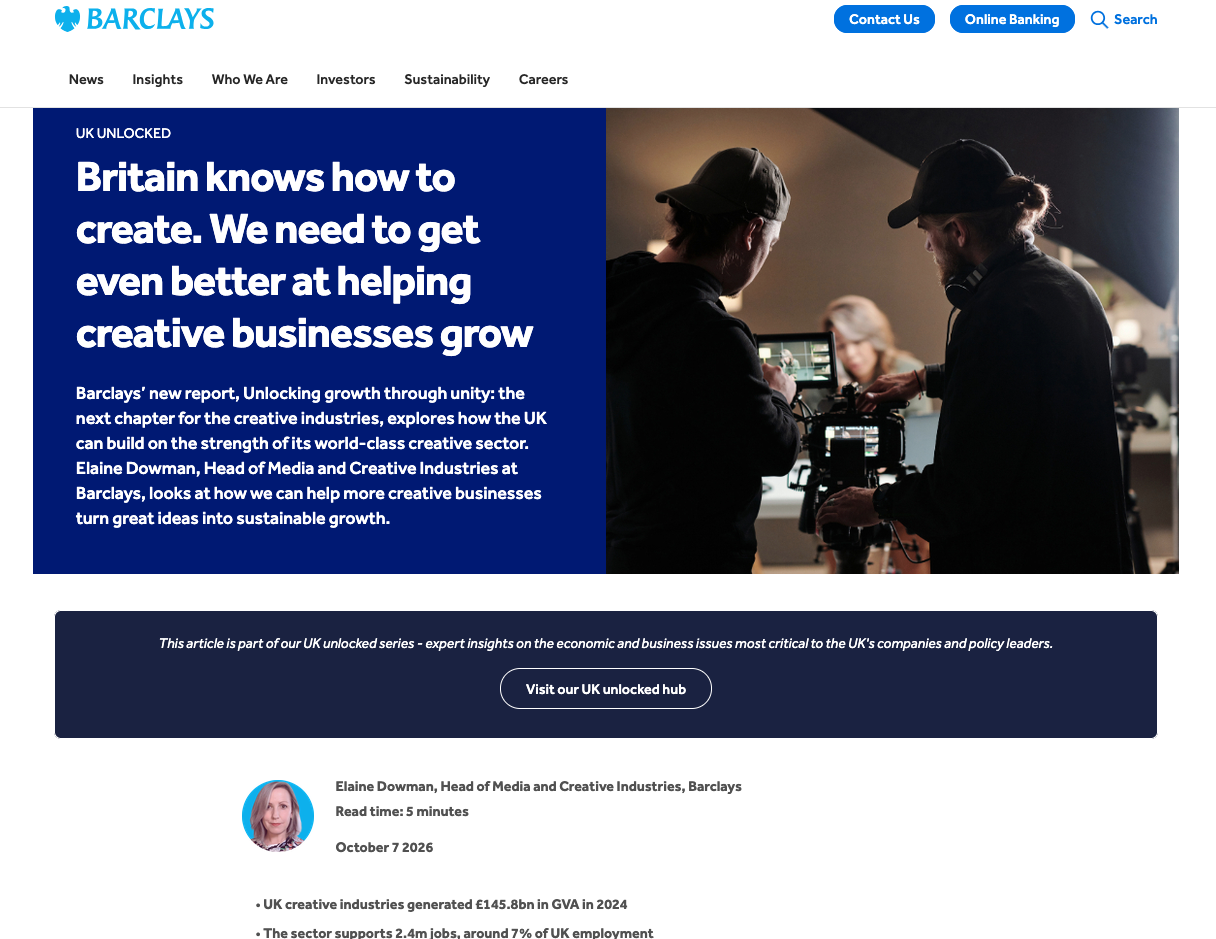
Barclays similarly uses personal profiles, evoking content that feels straight from the expert’s desk.
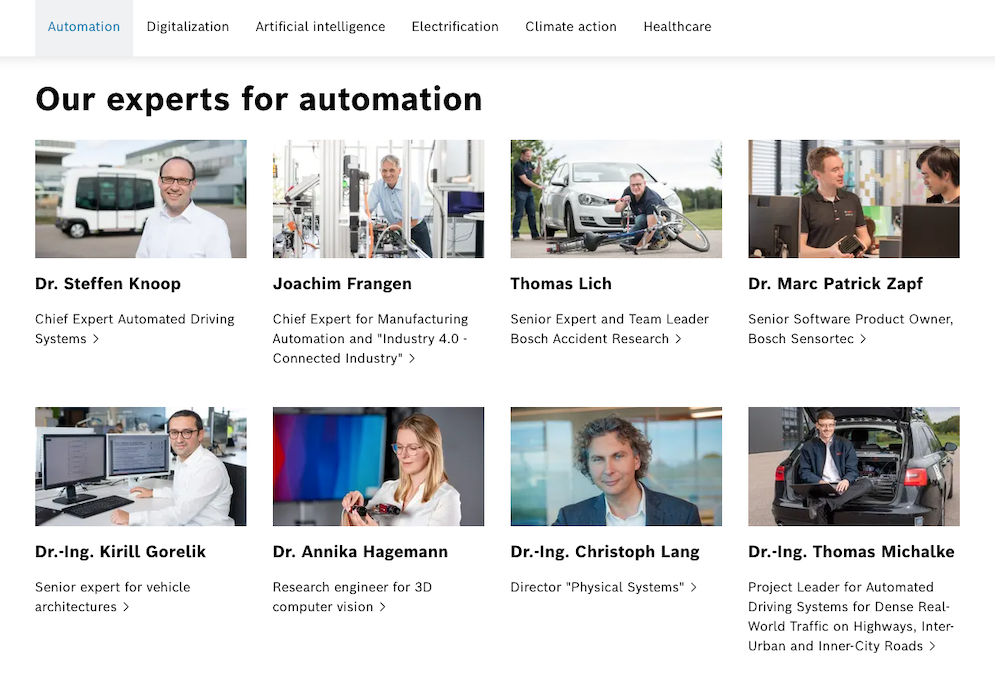
Bosch's "Our research experts" section spotlights internal experts across the business, with quotes, biographies, CVs and links to selected publications.
Credibility is your currency
Just as consumers are rediscovering the appeal of visible craftmanship, digital audiences are seeking content with recognisable human fingerprints.
The message for corporate websites is simple: put your experts in the spotlight, let their knowledge speak for itself, and credibility will follow.
If you would like to learn more about how a Bowen Craggs subscription can support you on your content strategy, AI search visibility or any other aspect of your corporate digital communications, please reach out to Tom Golden